
Garage Door Panel Replacement in Peoria, IL
One bent or rusted-through panel doesn't always mean a whole new door. We'll tell you straight whether a matched panel swap makes sense or if replacement is the smarter call.
- Locally owned since 2015
- Insured, background-checked techs
- Free upfront quotes
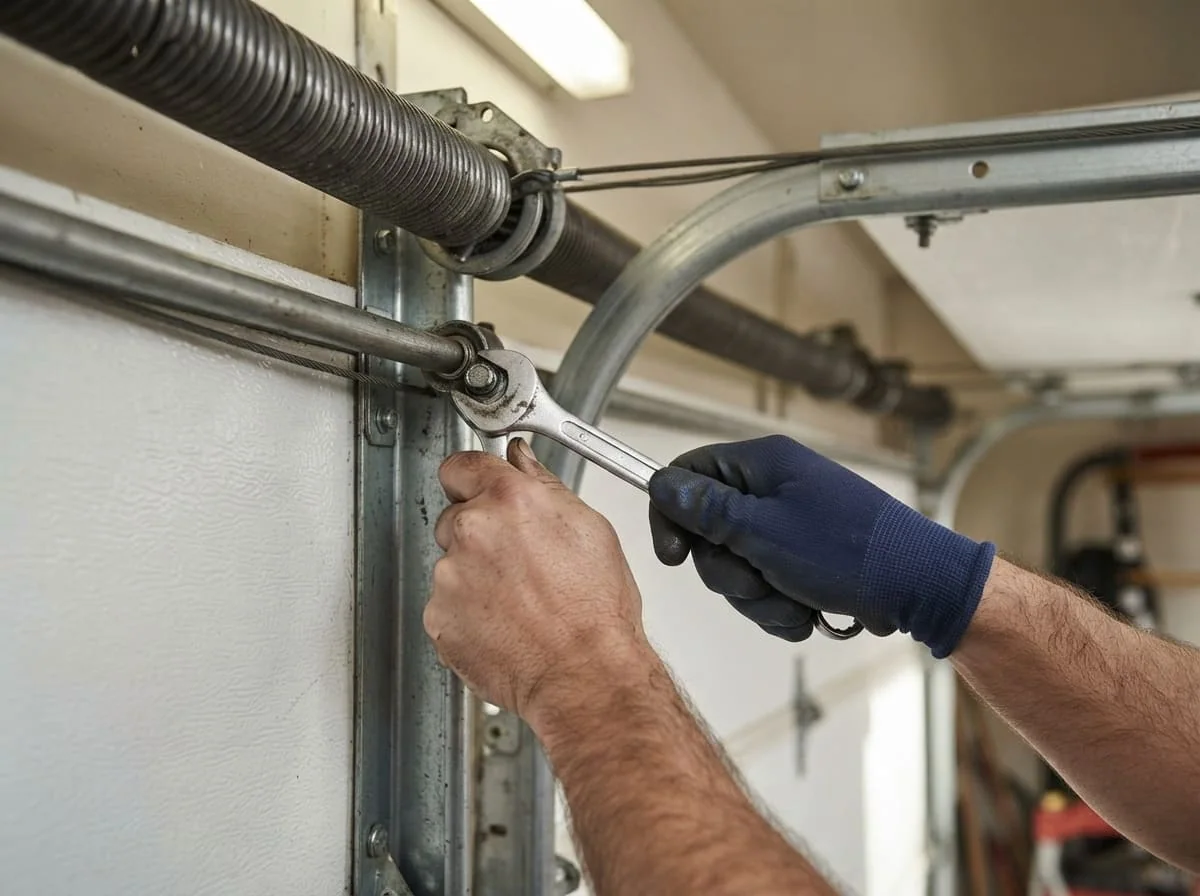
A dented or cracked panel is one of the most common calls we get around Peoria — a backed-into door in a West Bluff carriage house garage, a hailstorm dent off the river, or just years of Illinois River Valley freeze-thaw cycles working rust into the bottom section. In a lot of cases, the rest of the door is sound: the springs are fine, the track is straight, the opener runs the way it should. Replacing just the damaged section can get the door back to looking and sealing right without paying for hardware that didn't need to be touched.
The catch is that panel replacement only works cleanly when the new section actually matches — same panel height, same finish, same hinge spacing and lock cutout as the rest of the door. Sectional doors made even a few years apart can have subtle profile differences, so it's not always a simple order-and-swap job. Our crew has spent years sourcing and fitting replacement sections for doors all over the Tri-County Area, so we can usually tell within a few minutes on-site whether a matching panel is realistic or whether a full replacement will actually serve the homeowner better.
Either way, you get a straight answer and a free upfront quote before any work starts — no guessing, no dollar figure pulled out of thin air over the phone.
Signs You Need a Panel Replaced, Not the Whole Door
Not every dinged-up door needs to come out. Here's what usually points to a panel-level fix instead of a full replacement:
- A single bottom panel bent from a car bumper, a snowblower, or a stray basketball
- Rust or corrosion concentrated on one section, usually the bottom panel where road salt and snowmelt collect
- A cracked or split panel from age, sun exposure, or an impact, with the rest of the door still tracking and closing straight
- Hail damage limited to one or two panels rather than spread across the whole door face
- A panel that's visibly warped or bowed, catching on the weatherstrip or rubbing the frame as it moves
If the damage is limited to one or two sections and the door otherwise opens, closes, and seals the way it should, a panel swap is usually the more sensible first option to look at.
How We Match and Replace a Damaged Section
The first thing we do on-site is identify exactly what door you have — manufacturer profile, panel height, groove pattern, and finish — since sectional doors aren't universally interchangeable even within the same general style. From there we check whether a matching replacement section is realistically available for that specific door.
If a match exists, the job itself is fairly contained: we support the door, disconnect the damaged section from the panels above and below it, remove the end hinges and rollers, swap in the new section, and reattach hardware so everything lines up flush. We finish by cycling the door a few times and checking that it tracks straight and seals evenly along the new section — a panel that's even slightly out of alignment can bind the whole door or strain the opener.
If a true match isn't available — which happens more often on older doors — we'll say so plainly rather than forcing a panel that won't fit right, and we'll walk through what full replacement would look like instead.
Why DIY Panel Swaps Usually Go Sideways
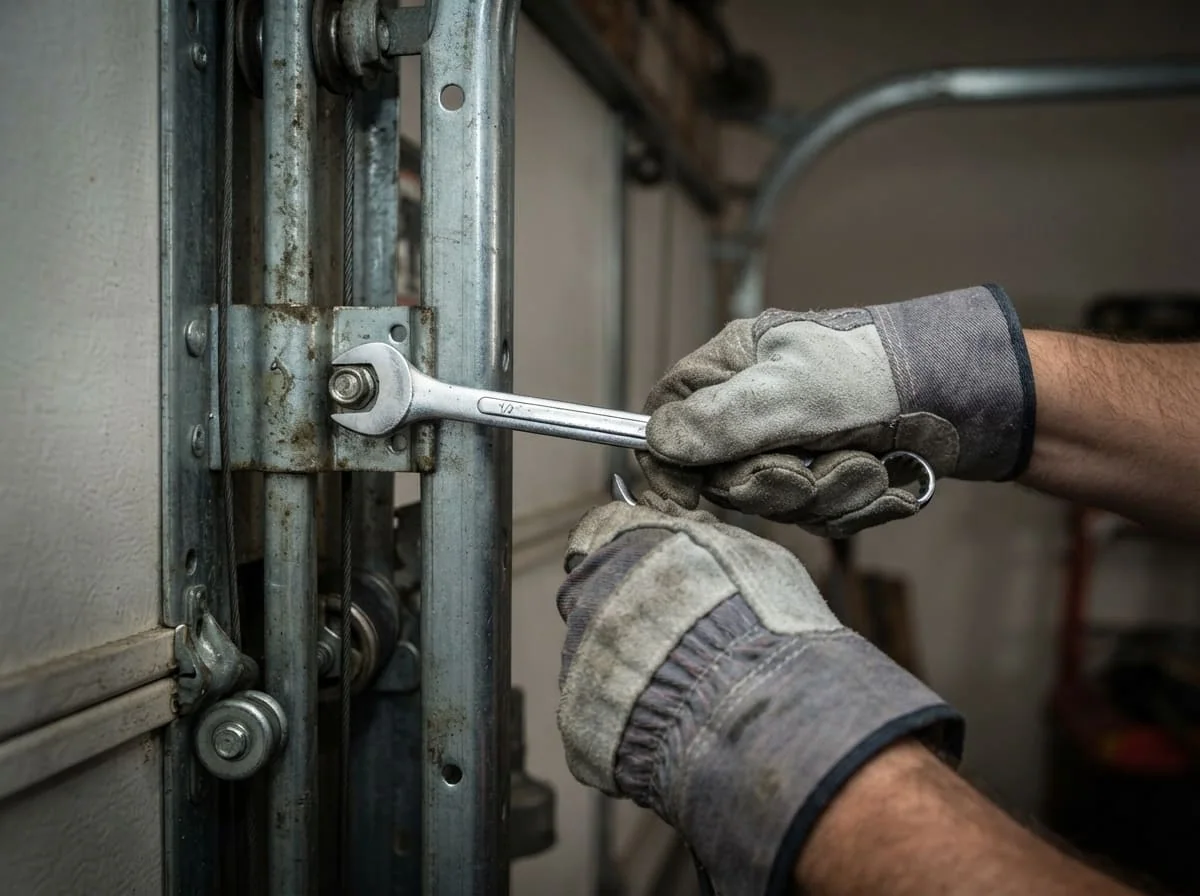
Replacement panels are easy enough to find online, but fitting one correctly is where homeowner attempts usually run into trouble. A sectional door's panels work together under tension — the torsion spring is calibrated to the door's total weight, and swapping in a panel of even slightly different weight or thickness can throw that balance off.
We've also been called out to fix DIY panel jobs where the replacement section was close but not an exact match, leaving the door rubbing against the track, the seal gapping at one corner, or the rollers binding under load. On top of the fit issue, working around a loaded torsion spring and disconnected panel sections without the right clamps and bars is genuinely one of the more injury-prone jobs a homeowner can take on around the garage.
What Peoria's Weather Does to Panels Over Time
Central Illinois winters are hard on the bottom sections of a garage door in particular. Road salt and slush splash up onto the lower panel through the winter months, and repeated freeze-thaw cycles accelerate rust once the finish is even lightly compromised. Older homes around West Bluff and the Uplands, where garages sometimes sit closer to the street or alley, tend to see this bottom-panel corrosion earlier than newer construction further out in the suburbs.
Summer humidity and UV exposure play a role too, especially on doors facing south or west — finishes fade and wood-composite panels can start to delaminate at the seams after enough seasons. None of this means a whole-door replacement is automatically the answer; it's exactly the kind of localized damage a panel swap is built for, as long as a matching section is still available.
Panel Replacement vs. Full Door Replacement — When Each Makes Sense
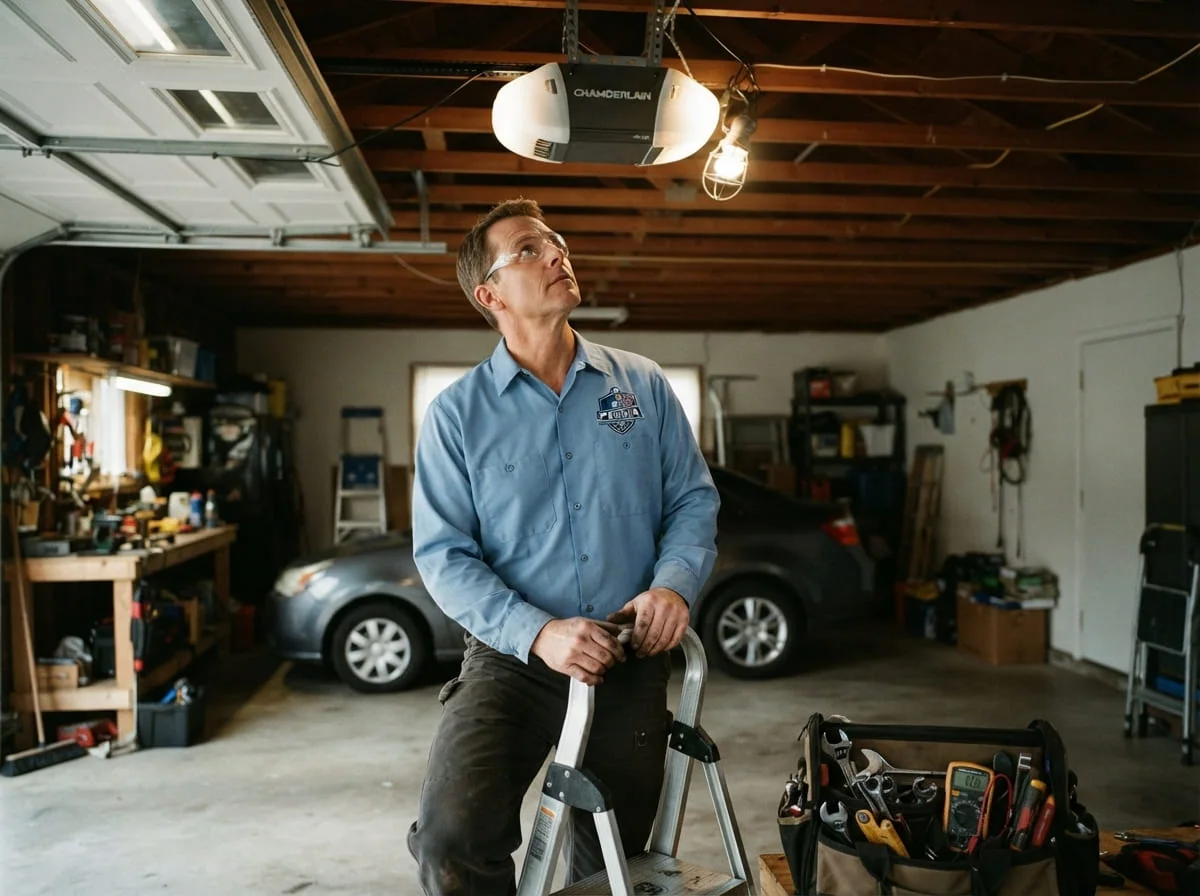
We'd rather quote the smaller job and be honest about it than upsell a full door nobody needs. That said, there are times a full replacement genuinely makes more sense:
- Damage is spread across three or more panels rather than concentrated in one section
- The door is old enough that a matching replacement panel is no longer manufactured
- The springs, track, or opener are also due for attention, making a bundled job more efficient
- You're looking to change the door's insulation level or style rather than just repair existing damage
If any of those apply, we'll walk you through what full garage door replacement would look like side by side with a panel-only repair, so the decision is based on your actual door rather than a guess.
Why Peoria Homeowners Call Our Crew for Panel Work
Danny and Ray started this company in 2015 specifically because Peoria kept getting treated as an afterthought by garage door outfits based out of Chicago. Panel replacement is a job that rewards actually knowing doors — recognizing profiles, knowing which sections are still available, and being upfront when a match isn't realistic — rather than defaulting to "you need a whole new door" because it's the easier sell.
We quote panel jobs the same way we quote everything else: a real look at the door, a free upfront quote with no dollar figure invented over the phone, and insured, background-checked technicians doing the actual work. If we think a full replacement will serve you better long-term, we'll say that too.
What to Expect When You Call
On-Site Damage Assessment
We inspect the damaged section along with the rest of the door's hardware to confirm a panel swap is the right call.
Panel Matching
We identify the exact profile, height, and finish needed and confirm whether a true matching replacement section is available.
Section Removal and Fit
We safely support the door, remove the damaged panel and its hardware, and fit the new section into place.
Reassembly and Alignment Check
Hinges, rollers, and end hardware go back on and get checked so the new panel sits flush and tracks straight.
Balance and Cycle Test
We run the door through several full cycles to confirm smooth movement and even sealing before we call the job done.
Garage Door Panel Replacement in Peoria, IL FAQs
Can just one garage door panel be replaced, or does the whole door need to come out?
In most cases a single damaged panel can be replaced on its own, as long as a matching section is still available for that specific door. We check this on-site before recommending anything.
Will a replacement panel match the rest of my garage door exactly?
When a true match is available, yes — same panel height, groove pattern, and finish. On older doors, an exact match sometimes isn't manufactured anymore, and we'll tell you that directly rather than fitting something close.
What usually causes a garage door panel to need replacing?
The most common causes we see around Peoria are vehicle impacts, hail damage, and rust or corrosion on the bottom panel from winter road salt and snowmelt.
Is it cheaper to replace one panel than the whole door?
A single-panel replacement is typically a smaller job than a full door replacement, but the honest answer depends on your specific door and how many sections are affected. We provide a free upfront quote so you can compare the actual options.
Can I replace a garage door panel myself?
We'd advise against it. Matching a panel's exact profile is harder than it looks, and working around a loaded torsion spring while panels are disconnected carries real injury risk without the right tools.
How long does a panel replacement service call usually take?
Most single-panel replacements are completed in one visit once the matching section is confirmed available, including reassembly and a full test cycle.
What if my panel damage is too extensive for a simple swap?
If damage spans multiple sections or a matching panel isn't available, we'll walk you through full garage door replacement instead so you're deciding based on your actual door, not a guess made over the phone.
Need Panel Replacement in Peoria, IL?
Peoria Garage Door Repair Guys is ready to help — call now for a free, upfront quote.